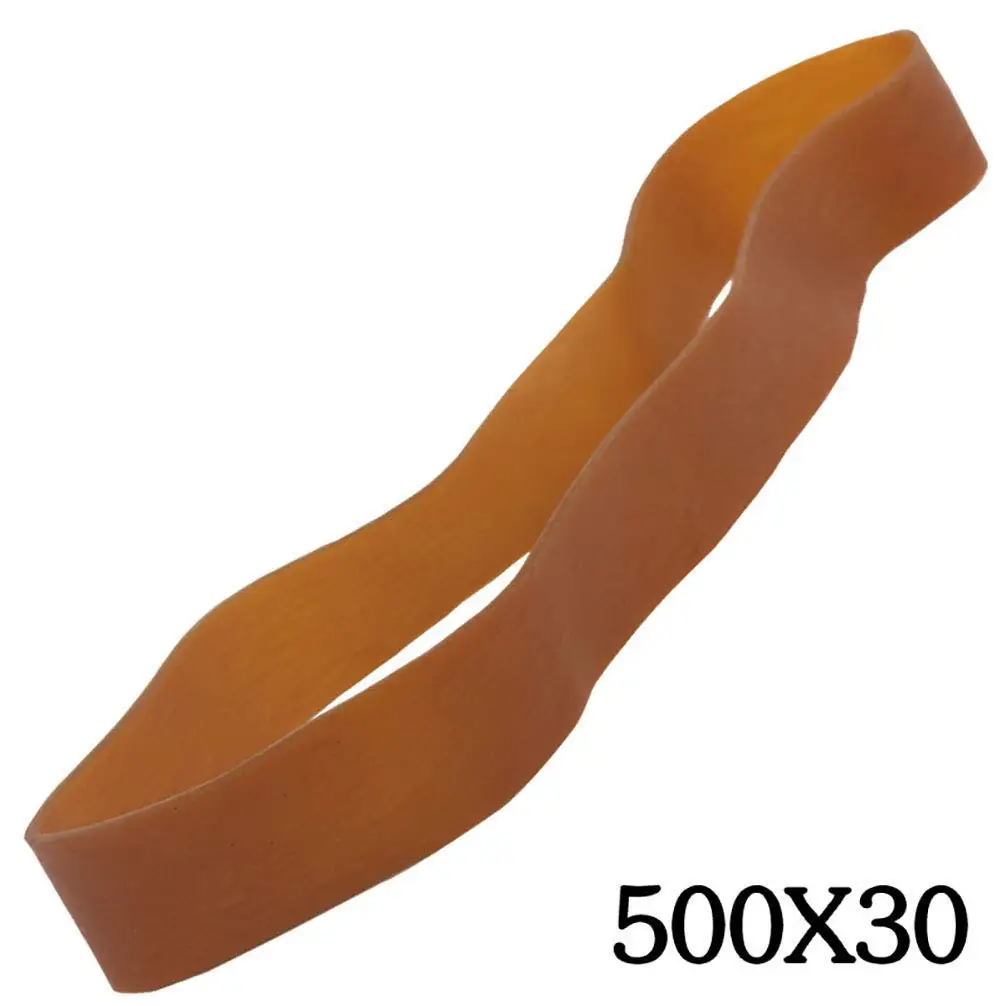
Braces exert steady stress to gently and steadily transfer the teeth and jaws into place. However, they stretch their teeth and upper and decrease jaw independently. Correct alignment finally means your teeth will fit proper if you chunk into them. In some circumstances, jacquard elastic webbing attaining the best connection between the upper and lower bends requires a connecting force. Rubber struts can add to this power and add an additional sound to the system to encourage the gear to shift in a certain method. If you loved this report and you would like to obtain much more facts pertaining to jacquard elastic webbing – please click for source – kindly go to the internet site. Rubber bands align your chunk and are essential to the chew fixation section of braces treatment, usually the longest and most challenging part of the process.
How do they work?
The orthodontic elastic band pulls the jaw forward or again, depending on the motion you could get into the right alignment. Your higher and decrease teeth should be aligned and comfortable when you chunk. Rubber bands pace up the moving and straightening course of and are a vital a part of orthodontic remedy.
What is the aim of rubber bands in braces?
The aim of rubber bands in braces is to increase the pressure applied to certain areas of your mouth. Also referred to as elastic, rubber bands hook up with your braces’ brackets and will be positioned in many alternative conformations. They align your chunk and assist several types of misaligned jaw.
Does everyone with braces need rubber bands?
No. Not everybody who wears a brace has to put on a rubber band. Ultimately, it relies on how properly the teeth transfer and the way your chew is affected because the teeth move. In some instances, orthodontists know that you want a rubber band earlier than attaching braces. In different cases, the orthodontist might not know if your teeth will transfer after you’ve worn braces for a while. It’s a good idea to seek the advice of your orthodontist if you will need rubber bands.
Do’s and Don’ts of Rubber Bands
Do’s
– The more you put on your elastics, the better it’s in your teeth. Wearing your elastics correctly will assist shift your teeth.
– Wear them exactly how you have been instructed to. A lot force too rapidly can damage tooth roots and stretch out the period of time it takes to maneuver your teeth.
– Start the habit of carrying additional elastics on you. This can be an excellent habit to get into as you’ll always be ready in case of breakage or replacement.
Don’ts
– Double up your rubber bands. It is not going to assist your teeth move sooner. It will possibly stagnate the tooth’s movement and even injury your roots.
– Overstretch them. While you stretch the elastic more than its precise power, it may lose its energy; due to this fact rendering it ineffective.
– Take your elastics off in case your teeth are sore. Every time you take away them for an extended period and put them again on, you’re beginning the adjustment period and any related discomfort over once more.
Rubber bands are various, coming in a wide range of sizes, pressure categories, and materials. They may also be arranged in different conformations relying on the treatment plan. In case you need to use rubber bands on your braces, you should definitely follow your orthodontist’s directions for sporting them carefully. This can assist your remedy go in keeping with plan.
Leave a Reply